Bringing African Drumming into the Classroom: A Guide for Teachers
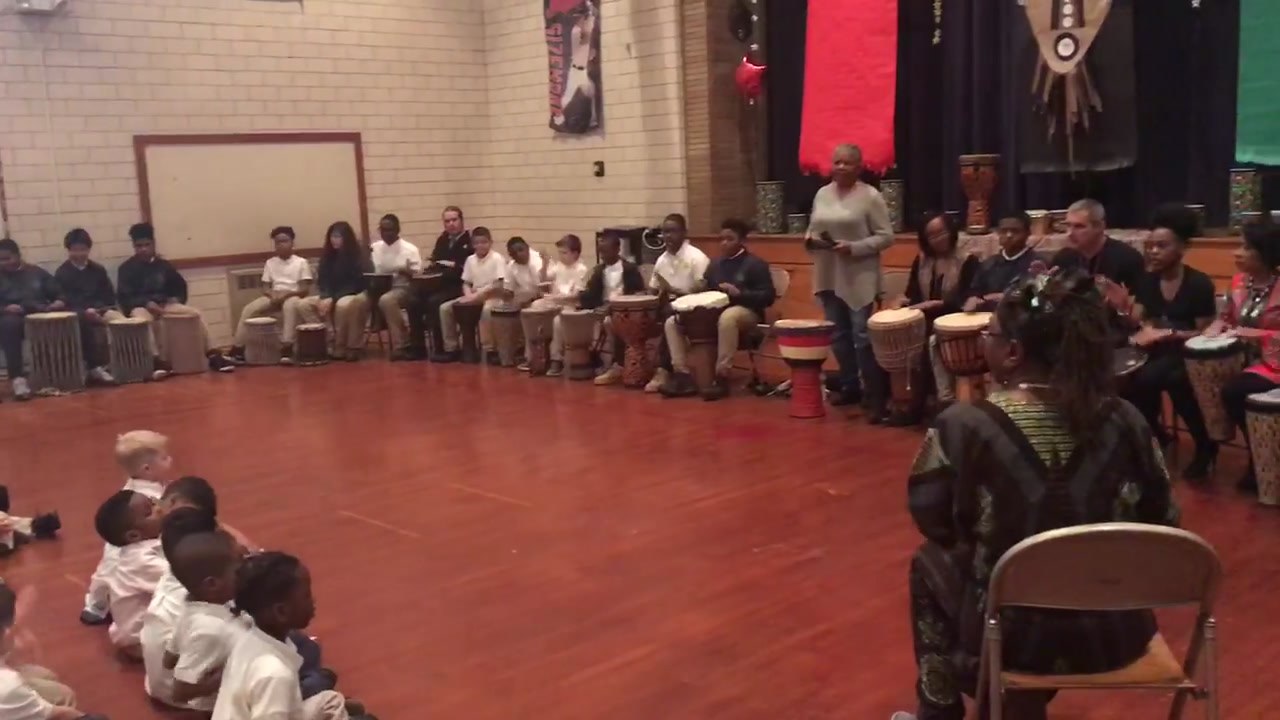
In an educational landscape increasingly dominated by screens, standardised testing, and sedentary desk work, bringing communal hand drumming into the classroom can be transformative. Rhythm engages the human nervous system holistically: it integrates auditory processing, fine and gross motor coordination, spatial-temporal awareness, and collaborative social emotional learning.
Yet many music specialists and classroom teachers hesitate to introduce African drumming. They worry about classroom noise levels, lack of personal mastery, or inadvertently presenting cultural traditions superficially. This guide offers a thoughtful, respectful framework for welcoming African drumming into your school environment with confidence and educational depth.
1. Context First: Honouring Origin and Cultural Heritage
Before passing out instruments or counting off a beat, ground your students in cultural understanding. A drum is not an arbitrary noisemaker or an interchangeable toy. In West African societies, the drum has historically served as a chronicle of family lineage, a sacred voice at civic rites of passage, and a vital community communication system.
- Locate the Tradition on the Map: Introduce the specific region. For example, explain that the djembe originated with the Mandé peoples of West Africa—across modern-day Guinea, Mali, Senegal, Côte d'Ivoire, and Burkina Faso.
- Introduce the Concept of the Griot (Jeli): Explain that oral historians and master musicians (known as Jelis or Griottes) hold immense social responsibility, memorising centuries of genealogy, moral folklore, and historical events.
- Establish Reverence for the Instrument: Teach students that the drum is crafted from living materials—wood from revered trees and animal skin. We treat the drum with gentle care, never kicking it, sitting on it, or banging it recklessly.
“When students understand that the rhythm in their hands connects to living human beings with rich ancestral traditions, their posture shifts from playfulness to focused reverence.”
2. Start with Body Percussion Before Touching Drums
One of the most effective management strategies is establishing rhythm in the body before placing instruments in front of students. Body percussion lowers performance anxiety and allows you to assess student timing without sensory overload:
- The Foot Pulse: Have students gently tap their feet to establish a shared anchor pulse.
- Chest Pats for the Bass: Tap the center of the chest with a flat hand to internalise low frequencies.
- Hand Claps for the Tone: Clap cupped or flat hands together to represent mid and high frequencies.
- Vocal Mnemonics: Use spoken rhythmic syllables or phrases (such as “We play to-ge-ther now”) to lock complex patterns into auditory memory before transferring them to goat skin.
3. Structuring a 45-Minute Classroom Session
A balanced, joyful percussion lesson balances disciplined listening with expressive freedom. Here is a battle-tested outline you can adapt for grades 2 through 8:
A. Call to Order and Quiet Signal (5 Minutes)
Establish a musical cue for silence rather than shouting over drums. Teach a simple two-beat call on your lead drum (e.g., Ta-Ta!) to which the entire class immediately answers with two sharp claps (Clap-Clap!) and rests their hands flat on their laps. Practice this signal several times until it becomes second nature.
B. Warm-Up and Tone Differentiation (10 Minutes)
Review the distinction between the deep Bass in the center of the drum and the crisp Tone on the outer rim. Play call-and-response games: “I play two bass notes, you play two bass notes. I play three rim tones, you play three rim tones.” Encourage students to notice the physical feeling of resonance in their palms.
C. Layering Simple Polyrhythms (20 Minutes)
Divide the class into three distinct sections. Rather than having everyone play the identical pattern, layer complementary parts:
- Group 1 (The Anchor): Plays a steady, grounding low pulse on beats 1 and 3.
- Group 2 (The Interlock): Plays an upbeat syncopated phrase that dances around the anchor.
- Group 3 (The Shakers): Uses shekeres, maracas, or seed pods to maintain a continuous, shimmering stream of eighth or sixteenth notes.
When these three layers lock together, the classroom comes alive with polyphonic energy. Students experience firsthand how diverse, individual voices contribute to a harmonious whole.
D. Student Leadership and Cool Down (10 Minutes)
Invite one or two students into the center of the circle to play the Call for the group. This is particularly empowering for students who struggle with traditional linguistic or reading tasks; in the drum circle, non-verbal communication and natural rhythmic intuition shine brightly. Close with a slow, collective breath and a quiet spoken word of gratitude.
4. Managing Sound Levels and Overstimulation
If you are working in an ordinary classroom with hard walls and tile floors, acoustic reflection can be intense. Consider these practical accommodations:
- Rotate instruments so only half the class drums at any one time while the other half dances, plays soft auxiliary percussion, or provides vocal accompaniment.
- Encourage piano (soft) playing. Challenge students to play a groove so quietly that you can hear a whisper across the room. Quiet drumming requires superior physical control and fosters deep concentration.
- Place small rubber mats or carpet squares under drum bases to prevent vibrations from travelling into adjacent classrooms.
Bring Master Instruction to Your School
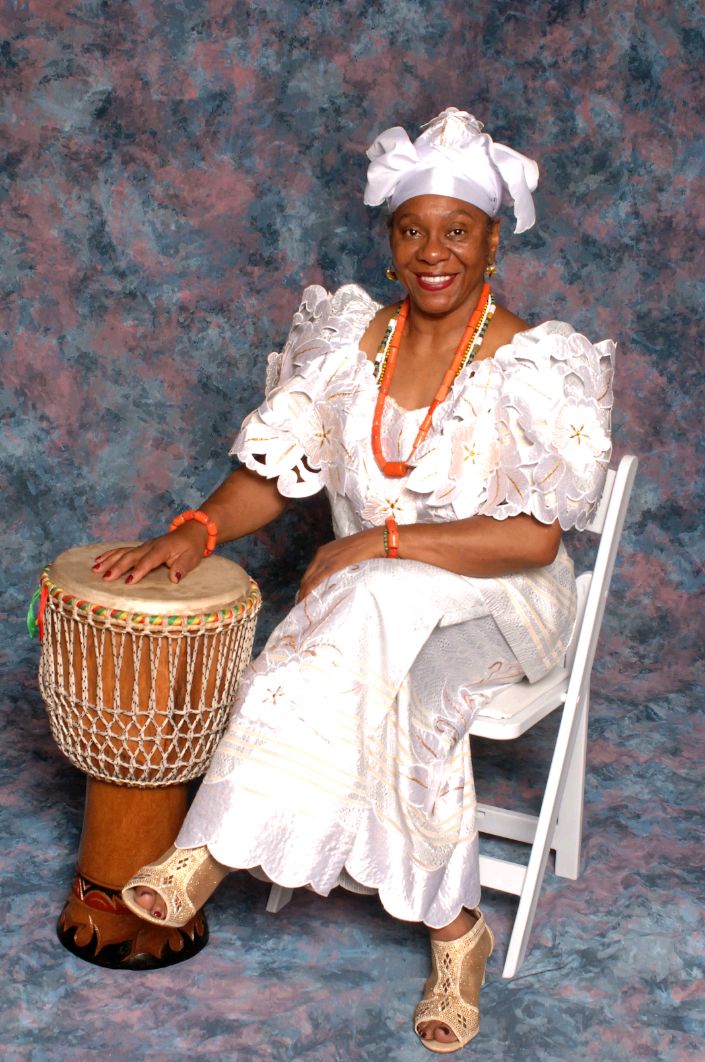
While general educators can accomplish wonderful work, nothing replaces the impact of bringing a master culture-bearer directly into your school. Explore Mama Fasi’s educational school residencies and interactive student assemblies, or contact our team via our school bookings form to discuss curriculum-aligned masterclasses for your district.
Mama Fasi Editorial Team
Drum Woman Productions and Master Percussionist Mama Fasi share practical drumming guides, classroom resources, and authentic cultural heritage to connect people through rhythm.
Join A Workshop or Bring Mama Fasi to Your Community
Explore hands-on African drumming clinics for schools, libraries, community groups, and beginners of every age.