Planning a Community Drum Circle: A Practical Guide for Organisers
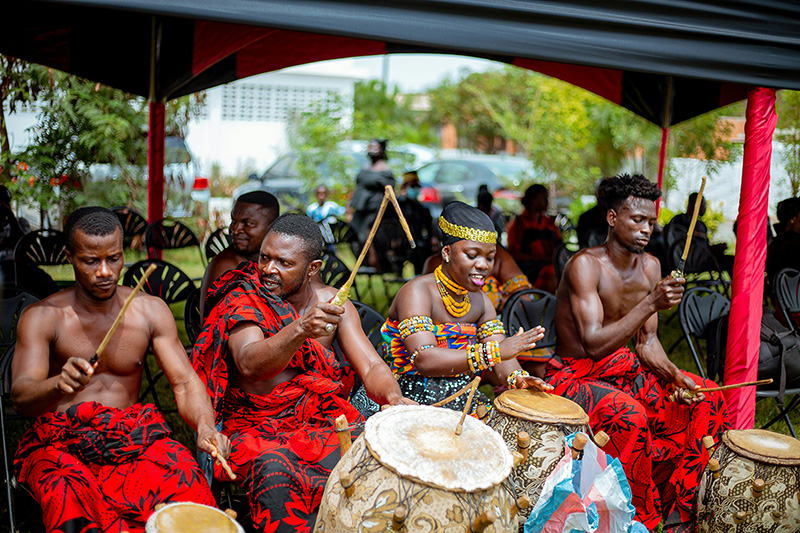
In our hyper-connected yet emotionally isolated modern world, people are hungry for shared, face-to-face community experiences that transcend political divides, age barriers, and social screens. A well-facilitated community drum circle is one of the most powerful gatherings an organiser can bring to a park, neighborhood festival, community center, or corporate retreat.
When dozens or hundreds of people sit together and synchronise their breath and hands around a shared rhythm, something remarkable happens. Cortisol levels drop, walls come down, laughter bubbles up, and strangers leave as friends. If you are planning a community drum circle for your town or organisation, here is a practical, step-by-step roadmap to ensure your event is an unforgettable success.
1. Selecting and Preparing the Ideal Venue
The physical environment plays an enormous role in how comfortably sound travels and how participants interact with one another:
- Acoustic Considerations: Avoid sterile rooms with hard parallel tile walls and high metal ceilings; they amplify harsh reverberation and create an acoustic wall of white noise. Instead, look for spaces with warm wood flooring, carpeted community halls, or shaded outdoor grass lawns under mature trees.
- Weather and Sun Protection: If hosting outdoors, ensure there is ample shade from trees, a pavilion, or pop-up tents. Remember: direct summer sunlight can over-tighten and split delicate drum skins, and hot sun quickly exhausts drummers of all ages.
- Seating Geometry: Armless, sturdy chairs are essential. Chairs with armrests prevent players from positioning drums comfortably between their knees. Arrange chairs in concentric circles facing inward. Ensure there are wide aisles so people can move freely to dance or access the center.
- Universal Accessibility: Make certain your venue has step-free wheelchair access, nearby accessible restrooms, and ample parking for elders and families with strollers.
“A drum circle is not a concert where an audience watches passively from the dark. In a drum circle, every seat is on stage, and the community is the main performer.”
2. Curating a Diverse Instrument Arsenal
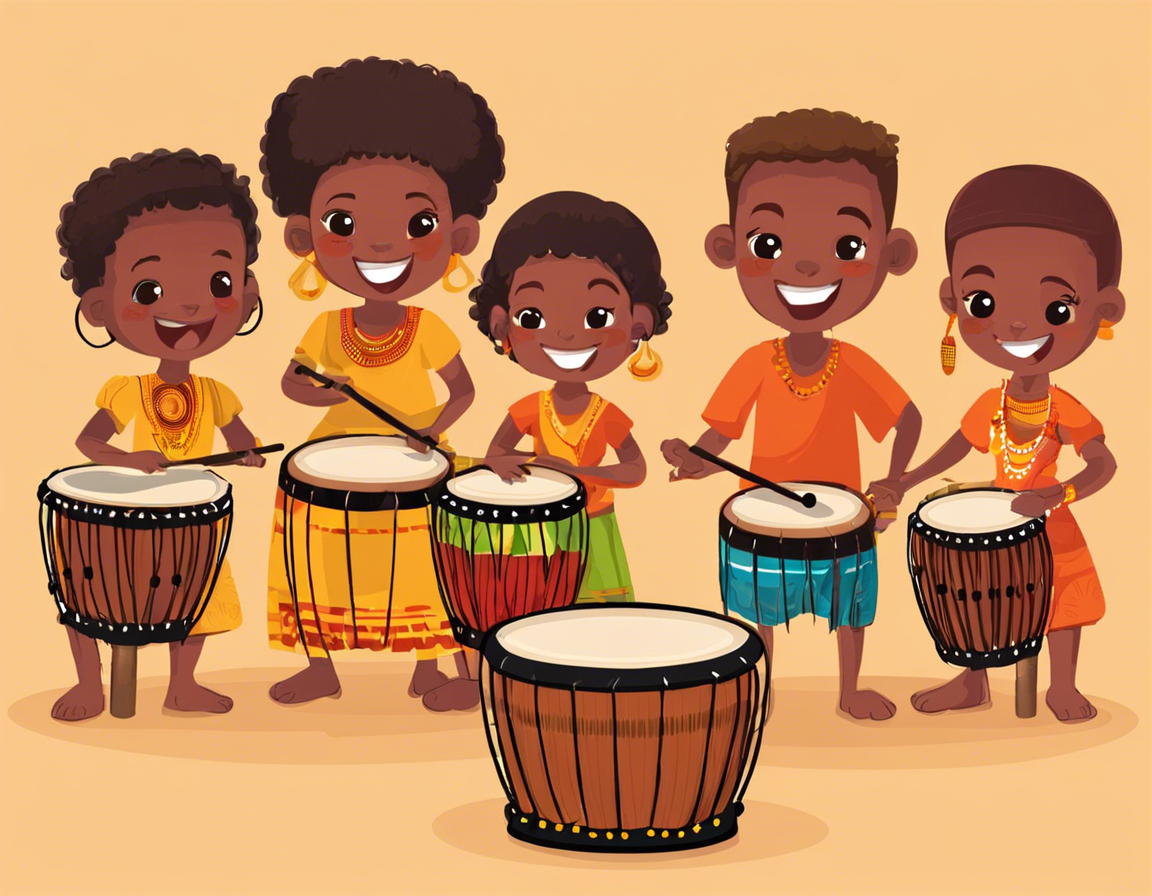
Not every participant can or wants to play a heavy hand drum. Curating an intentional variety of percussion instruments ensures that everyone—from a toddler to an elder with arthritis—can participate joyfully:
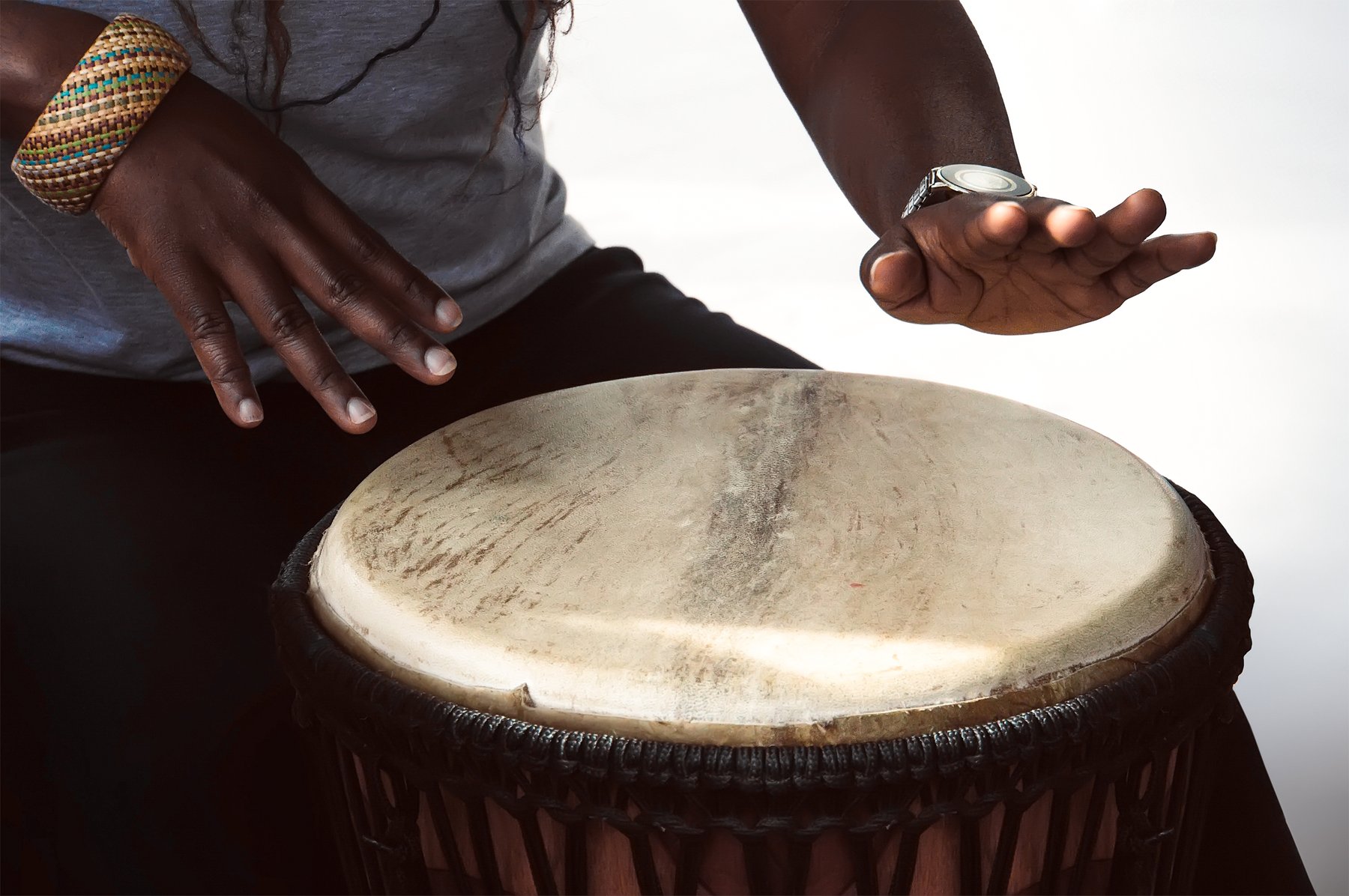
- Hand Drums (50% of inventory): Djembes, ashikos, bongos, and tubanos. Provide a mix of sizes so small children have manageable 8-to-10 inch heads while adults can access full-bodied 12-to-14 inch drums.
- Shakers and Rattles (25% of inventory): Shekeres, maracas, gourd rattles, and basket caxixis. Shakers provide a gentle rhythmic carpet and are non-intimidating for shy newcomers.
- Wood and Bell Percussion (15% of inventory): Claves, woodblocks, cowbells, and agogô bells. These cutting instruments provide sharp rhythmic signposts across large groups.
- Bass Anchors (10% of inventory): Tuned doundouns or large frame drums played with soft mallets to keep the pulse rock-solid.
3. Partnering with an Experienced Facilitator
While spontaneous jamming can be fun, an unguided drum circle of forty beginners frequently turns into an overwhelming wall of chaos within ten minutes. An experienced cultural facilitator makes the difference between sonic exhaustion and collective transcendence.
A skilled facilitator will:
- Establish a clear, non-verbal musical cue to pause and quiet the circle instantly.
- Seed simple, grounding grooves that lock naturally into the room.
- Guide dynamic shifts—taking the volume from an exhilarating roar down to a delicate, whispering shimmer where participants can hear each other’s breathing.
- Invite dancers into the center, celebrate individual solos without pressure, and ensure no single loud player dominates the group.
- Infuse the gathering with cultural storytelling and historical context that honours the African roots of community percussion.
4. Event Timeline: A Flow That Builds Natural Connection
Here is a proven 90-minute structure for a community circle:
00–15 Minutes: Welcoming & Instrument Selection
Guests arrive, are greeted warmly, and choose an instrument that calls to them. Background ambient music or gentle kalimba playing keeps the space inviting.
15–30 Minutes: Grounding & The First Pulse
The facilitator gathers the circle, establishes the heartbeat rhythm, teaches basic tone production, and leads simple call-and-response games that break the ice.
30–60 Minutes: Polyrhythms, Dynamic Waves & Dance
The circle dives into interlocking rhythms. Tempo shifts, vocal chants, call-outs, and spontaneous dance in the center energise the room.
60–75 Minutes: The Soft Groove & Mindful Deepening
The tempo gently slows. The facilitator guides the group into a continuous, meditative ambient groove, highlighting gentle bells and shakers.
75–90 Minutes: Closing Climax, Stillness & Gratitude
One final, joyous crescendo where all instruments unite, culminating in an agreed-upon signal for total silence. That lingering moment of silence after intense communal drumming is often the most profound part of the entire day.
Bring Mama Fasi to Lead Your Community Circle
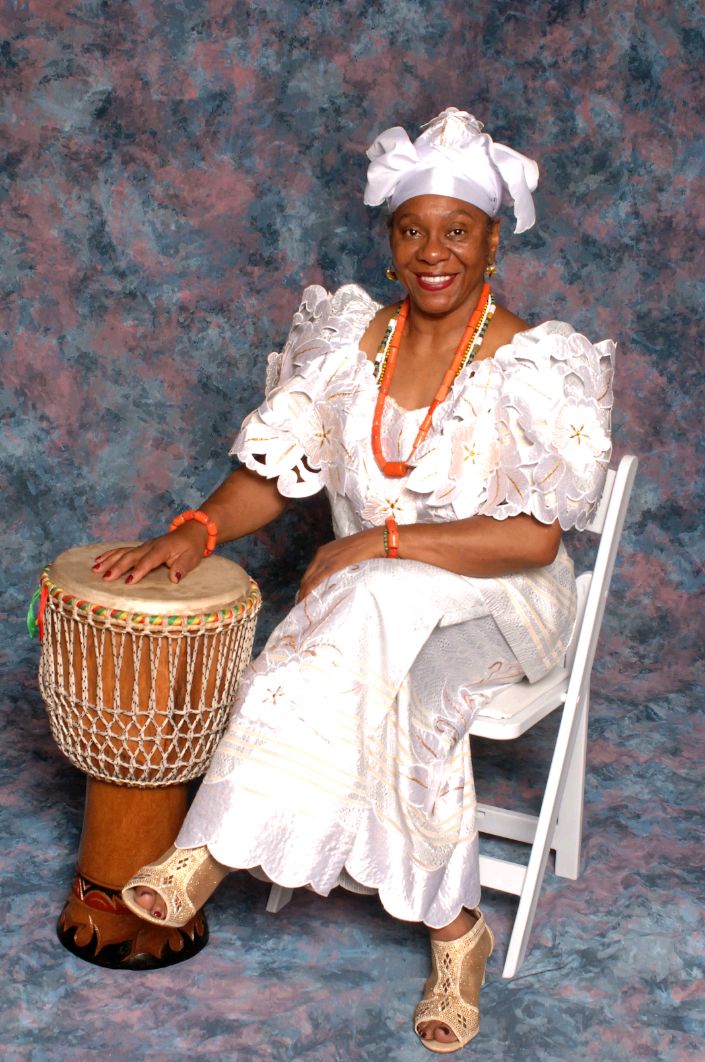
Planning an upcoming civic celebration, wellness festival, university orientation, or corporate summit? Partner with master percussionist Mama Fasi to lead your gathering with unmatched warmth, cultural authority, and musical expertise. Explore our calendar of public gatherings to experience a circle firsthand, or reach out via our event bookings portal to discuss dates, logistics, and instrument rental packages.
Mama Fasi Editorial Team
Drum Woman Productions and Master Percussionist Mama Fasi share practical drumming guides, classroom resources, and authentic cultural heritage to connect people through rhythm.
Join A Workshop or Bring Mama Fasi to Your Community
Explore hands-on African drumming clinics for schools, libraries, community groups, and beginners of every age.