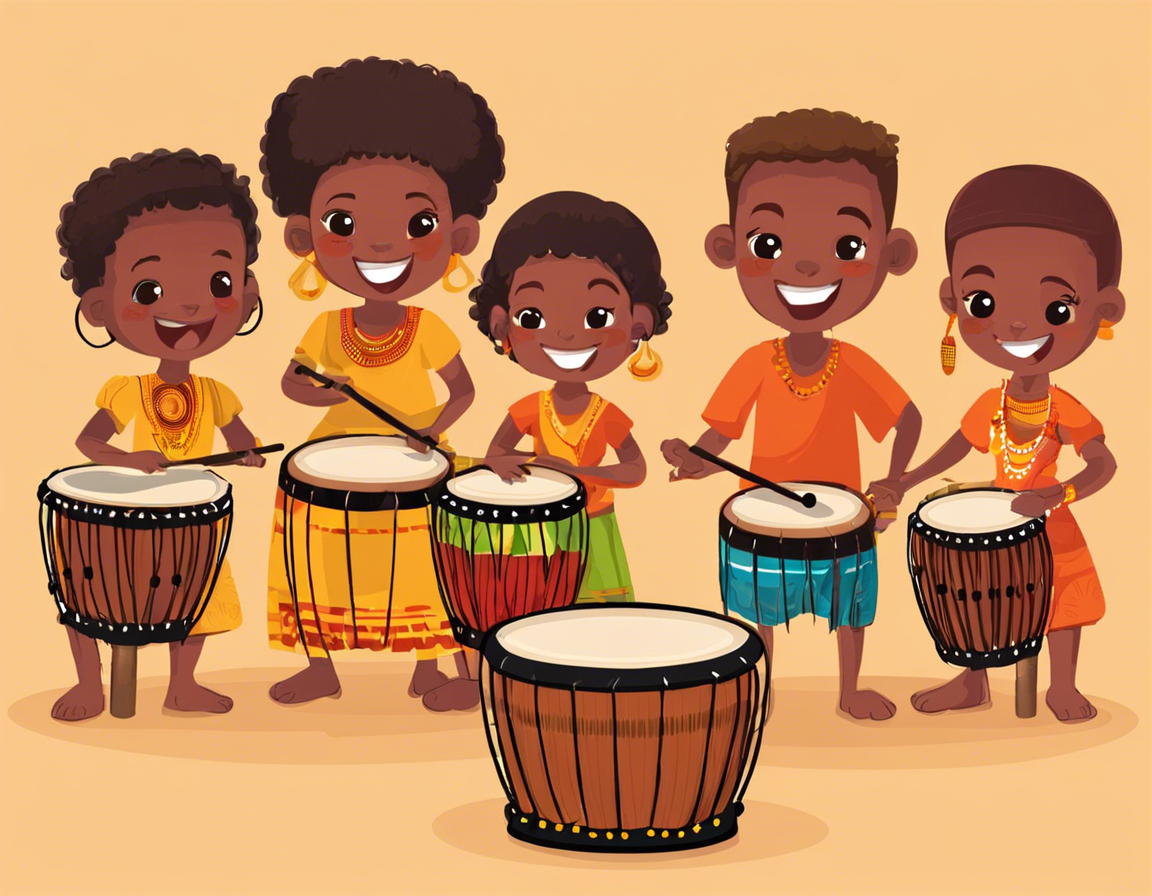
Getting to Know the Djembe: Sounds, Technique and Respectful Learning
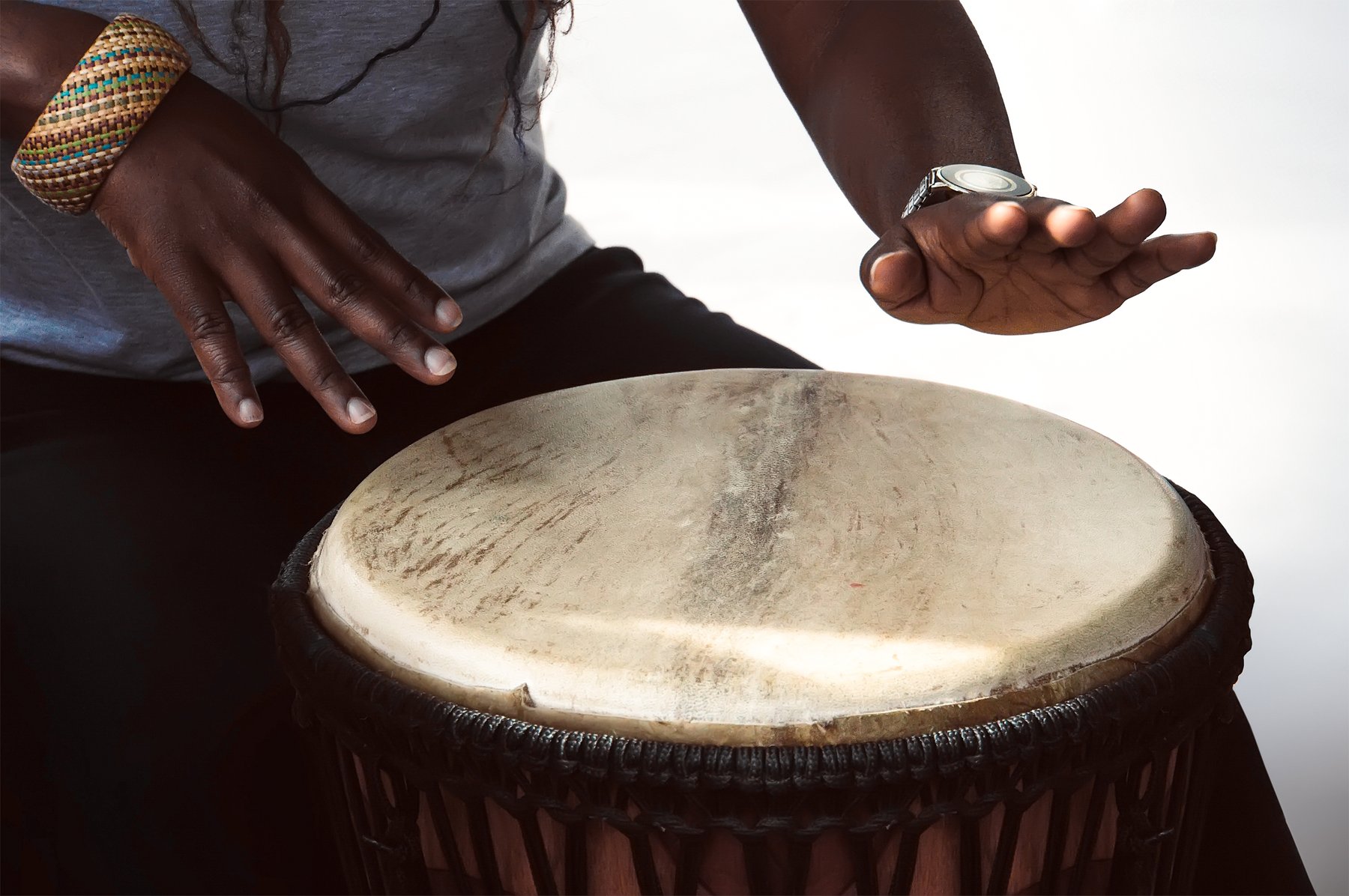
Few instruments on earth possess the expressive range, dynamic versatility, and global resonance of the West African djembe. In the hands of a skilled musician, this single goblet-shaped wooden drum can produce subterranean bass tones that shake the floorboards, warm singing melodies that mimic the human voice, and sharp, whip-crack slaps that summon dancers across wide outdoor spaces.
Yet as the djembe has travelled across the globe into community centers, classrooms, and wellness gatherings, its specific ancestral roots and delicate mechanical nuances are often misunderstood. To play the djembe well is to understand not only hand placement, but the lineage, craft, and philosophy of the people who created it.
Anatomy of a Sacred Instrument
An authentic djembe is a marvel of artisanal engineering. Every element of its construction influences the pitch, resonance, and timbre:
- The Wooden Shell (Fût): Traditionally hand-carved from a single solid trunk of indigenous West African hardwood—such as Lenke (Afzelia africana), Dugura (Cordyla africana), or Tweneboa (Cordia millenii). The interior of the bowl is sculpted with spiral gouges that channel sound waves down through the narrowing throat into the wide bell.
- The Skin (Peau): Most commonly shaved female goatskin. Goat skin provides the ideal balance of elasticity, tensile strength, and bright treble response. Occasionally, thicker cowhide or calfskin is used for heavier styles.
- The Rings and Mali Weave: Three steel rings secure the skin to the shell. High-tensile low-stretch polyester rope is laced through these rings in a specialized geometric diamond pattern known as the Mali weave (or cradle stitch), allowing precise, uniform tensioning across the entire perimeter.
“The Bamana people say the name ‘djembe’ originates from the phrase ‘Anke djé, anke bé’—which translates to ‘Everyone gather together in peace.’ Unity is built into the drum’s very name.”
Clarifying the Cultural Landscape
It is vital to speak with nuance about African drumming. Africa is an immense continent of more than fifty nations and thousands of distinct ethnic, linguistic, and musical lineages. The djembe is specifically rooted in the Mandé cultural empire of West Africa (spanning modern Guinea, Mali, Senegal, Côte d'Ivoire, and Burkina Faso).
It is not the universal drum of all African cultures. Ghana, for example, is famous for the Ewe barrel drums (such as Atsimevu, Sogo, and Kidi) and the Akan talking drum (Atumpan). In a traditional Mandé ensemble, the djembe is rarely played in isolation; it works in intimate partnership with the Doundoun family of cylindrical bass drums—the Doundounba, Sangban, and Kenkeni—which provide the melodic counterpoint and steady rhythmic canvas.
Perfecting the Core Hand Techniques
Producing clean, distinct tones requires patience, relaxation, and precise hand mechanics. Here is how to refine your three fundamental strokes:
1. The Bass Note
Position your body so your shoulders are even. Swing your arm from the elbow with a relaxed, straight wrist. Your entire hand—palm and fingers flat—strikes the geographic center of the skin and rebounds instantly like a ball bouncing off a trampoline.
Common Mistake: Leaving your hand glued to the skin. If you do not pull your hand away immediately, you will muffle the natural resonance.
2. The Open Tone
Move your hands toward the outer circumference. The crease where your fingers meet your palm should align comfortably with the rim of the shell. Keep your four fingers together gently without bending your knuckles. The fleshy pads of your fingers strike the skin firmly and lift off cleanly.
Common Mistake: Splaying your fingers wide apart or curling your fingertips downward into claws. Keep your fingers flat and unified.
3. The Slap
The slap is the crown jewel of djembe articulation. It is not created by hitting the drum harder! Instead, your palm heel contacts the rim a fraction of a millisecond before your relaxed fingertips naturally collapse toward the center, creating a quick air seal and a piercing, high-frequency sound.
Common Mistake: Stiffening your fingers. Tension destroys the slap. Think of flicking water off your fingertips onto the drum head.
Essential Instrument Care
A finely crafted djembe can last for decades if cared for with mindfulness:
- Guard Against Temperature Extremes: Natural goatskin expands in damp, humid weather (lowering the pitch) and tightens in dry, arid heat (raising the pitch). Never leave your djembe inside a parked car during summer or directly next to a home heating radiator.
- Use a Padded Bag: When travelling to workshops or performances, protect the skin and bearing edge with a well-padded water-resistant case.
- Keep the Skin Dry: Never apply cooking oils, hand lotions, or chemical cleaners to the drum head. Dry, clean hands are the best conditioners for natural skin.
- Store Upright: Store your drum upright on its base or rested securely on its side. Never rest the drum face-down on a rough cement floor.
Continuing Your Musical Journey
Reading about technique is only the first step—the true voice of the djembe comes alive in live community practice under experienced mentorship. Deepen your study through Mama Fasi’s intermediate masterclasses and ongoing drum clinics, listen to authentic recordings in our online music store, or reach out to our teaching ensemble via our contact page to ask questions about instrument selection and private instruction.
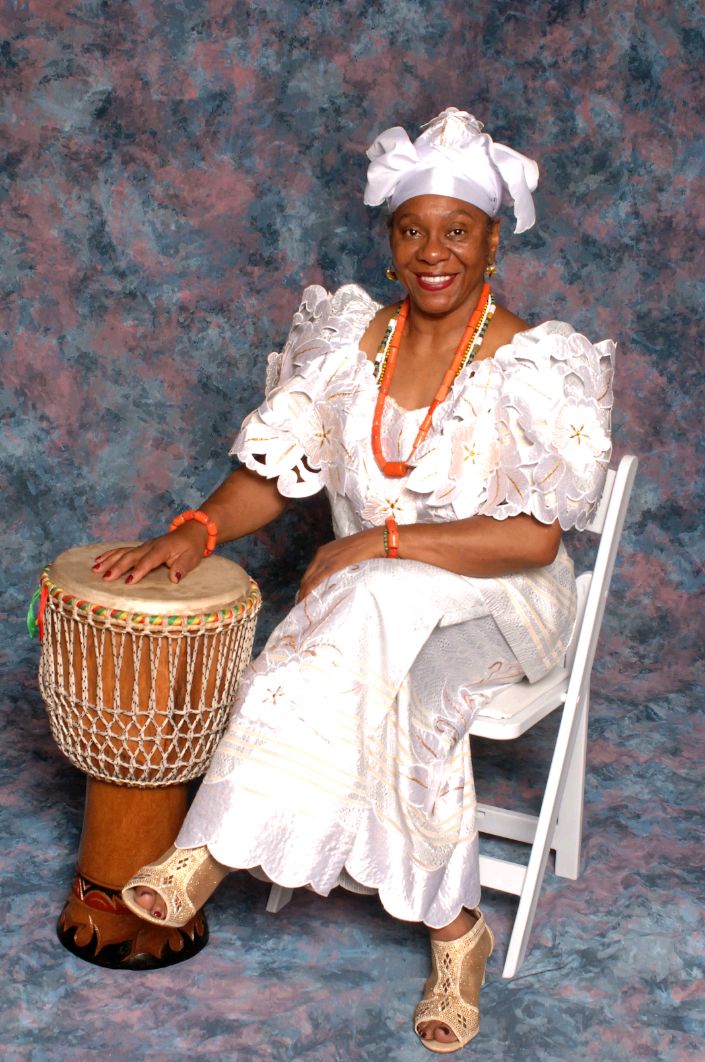
Mama Fasi Editorial Team
Drum Woman Productions and Master Percussionist Mama Fasi share practical drumming guides, classroom resources, and authentic cultural heritage to connect people through rhythm.
Join A Workshop or Bring Mama Fasi to Your Community
Explore hands-on African drumming clinics for schools, libraries, community groups, and beginners of every age.